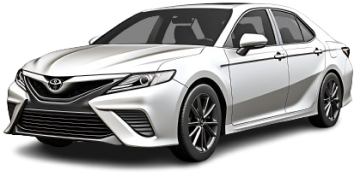
Picking the wrong vehicle for a northern Pakistan trip doesn’t just mean discomfort — it can mean turning back at Deosai, white-knuckling the Babusar descent, or paying for an emergency local jeep you didn’t budget for. The right choice depends less on personal preference and more on exactly where you’re going: Naran and the Karakoram Highway forgive a standard sedan, while Deosai and remote valley tracks genuinely require a 4×4. Here’s how to match the vehicle to the actual route.
What’s the Best Car for a Northern Areas Tour From Lahore?
The best vehicle depends entirely on your specific destination: a Toyota Corolla or Honda City handles the paved Karakoram Highway and standard Naran routes fine, while Deosai Plains and remote off-road tracks require a genuine 4×4 like a Prado or Land Cruiser. There’s no single “best” car for the whole region — matching the vehicle to the roughest section of your planned route is what actually matters.
Quick Reference: Vehicle by Destination
| Destination | Road Type | Recommended Vehicle | Group Size Fit |
|---|---|---|---|
| Naran & Kaghan Valley | Mostly paved, some rough patches | Sedan or crossover (Corolla, Yaris, Honda City) | 1–4 people |
| Babusar Top | Paved but narrow, steep descents | Sedan/crossover with a careful driver, or SUV | 1–4 people |
| Hunza (via KKH) | Fully paved highway | Sedan, SUV, or Hiace for groups | 1–13 people |
| Skardu (via KKH) | Mostly paved, some rough sections | SUV recommended; sedan possible with caution | 1–6 people |
| Deosai Plains | Unpaved, rugged, muddy tracks | 4×4 required (Prado, Land Cruiser, Vigo) | 1–6 people |
| Khunjerab Pass | Paved, high altitude | Sedan or SUV | 1–6 people |
Sedans and Small Cars: What They Can and Can’t Handle
Standard sedans and small crossovers like the Toyota Corolla, Yaris, or Honda City handle the paved sections of the Karakoram Highway and standard Naran routes reasonably well, but they cannot cross Deosai Plains or other unpaved remote tracks. Even 660cc hatchbacks like the Suzuki Alto can technically reach Hunza or Naran on the paved highway, though comfort and safety margins narrow considerably on rougher or steeper stretches.
Where a sedan works fine:
- The Karakoram Highway to Hunza and Gilgit, which is fully paved
- Standard Naran and Kaghan Valley roads
- Khunjerab Pass, reached via paved highway
Where a sedan runs into trouble:
- Deosai Plains — unpaved, muddy, and requires 4×4 in several sections regardless of driver skill
- Steep descents like Babusar Top, where lighter vehicles and inexperienced drivers face real brake fade risk
- Remote interior tracks branching off the main highways
If your trip includes Deosai or similar off-road sections, plan on hiring a local 4×4 jeep for that specific leg even if you drove up in a sedan — this is standard practice and far safer than attempting the crossing in an unsuitable vehicle.
SUVs and 4x4s: When You Actually Need One
A genuine 4×4 like the Toyota Prado, Land Cruiser, or Toyota Vigo is required — not just recommended — for Deosai Plains and similarly rugged terrain, where unpaved, muddy roads make standard vehicles unsafe or simply unable to pass. Outside of these specific rough sections, an SUV is more about comfort and confidence than strict necessity.
4×4 is genuinely required for:
- Deosai Plains, where the National Park itself recommends 4×4 vehicles due to rugged, unpaved terrain
- Remote off-road tracks branching from the main valleys
SUV is a comfort upgrade (not strictly required) for:
- Skardu via the Karakoram Highway, where a sedan can technically make the trip but an SUV handles rough patches with more margin
- Family groups wanting more ground clearance and cargo space on long multi-day drives
Vans and Group Vehicles: Traveling With 8+ People
For larger groups of roughly 8 to 13 people, a Toyota Hiace is the practical choice for long stretches of the Karakoram Highway, offering stability and space that multiple smaller cars can’t match for the same group. This also simplifies logistics considerably — one vehicle, one driver, and no risk of the group getting split up or separated on a long mountain route.
For groups larger than 13, a Coaster minibus becomes the more practical option, particularly for organized tours or family gatherings traveling together for the full itinerary.
Route-Specific Safety Notes
Naran and Babusar Top
The road to Naran is largely paved, and Babusar Top itself is a paved but narrow mountain pass — manageable by sedan or crossover with a careful, experienced driver, though brake fade on the steep descent is a genuine risk worth taking seriously. Babusar Top is also seasonal: it typically closes from late October through mid-May due to snowfall, so confirm current road status before planning a trip outside the summer season.
Skardu and Deosai
Standard cars can generally handle the paved sections of the route to Skardu, but Deosai Plains itself requires a 4×4, and attempting it in a sedan or crossover means either turning back or arranging a local jeep on the spot. Deosai National Park is also seasonal, typically open from June through late October and inaccessible by vehicle during winter months.
Hunza and the Karakoram Highway
The Karakoram Highway to Hunza is fully paved and considered one of the more comfortable long-distance drives in the region, making it accessible by sedan, SUV, or larger group vehicles depending on party size. This is generally the most forgiving route on this list in terms of vehicle choice.
Rental Pricing for Northern Areas Trips
Vehicle rental rates for northern areas tours vary by category, with economy sedans starting lower and 4x4s and larger vehicles priced higher to reflect both capability and demand.
| Vehicle Category | Typical Daily Rate (PKR) | Best For |
|---|---|---|
| Economy sedan (Corolla, Yaris) | 4,500 – 9,000 | Paved highway routes, small groups |
| Family SUV (Fortuner, BR-V) | 10,000 – 20,000+ | Comfort, extra space, moderate terrain |
| 4×4 (Prado, Vigo, Land Cruiser) | Varies by model and provider | Deosai, rough or remote terrain |
| Hiace van (8–13 seats) | Varies by provider and route | Larger groups on highway routes |
Cost inclusions to confirm before booking: outstation rates for northern trips typically exclude fuel, toll taxes, and driver meals or accommodation — these are billed separately and can add up meaningfully over a multi-day trip.
Self-Drive vs. Hiring a Local Driver
Hiring an experienced local driver is strongly advised for the steep, winding mountain roads common throughout the northern areas, even for travelers who are confident, licensed drivers elsewhere. Local drivers bring route familiarity, experience with altitude and weather-related road changes, and — critically — direct knowledge of which sections currently require extra caution or a different vehicle entirely.
This matters more here than on standard intercity routes: road conditions in the northern areas can shift quickly due to weather, landslides, or seasonal closures, and a local driver is far more likely to know about a closure or hazard before you reach it.
Frequently Asked Questions
Can a Suzuki Alto or small hatchback reach Hunza or Naran?
Yes, small 660cc hatchbacks can technically reach Hunza or Naran via the paved highway routes, though comfort and safety margins are noticeably narrower than in a larger sedan or SUV, especially on steeper sections.
Do I need a 4×4 to visit Deosai Plains?
Yes. Deosai’s unpaved, rugged terrain requires a genuine 4×4 vehicle like a Prado, Land Cruiser, or Vigo — standard sedans and crossovers cannot reliably cross the plains and typically need a local jeep hire instead.
What’s the best car for a family trip to Naran and Hunza?
A Honda BR-V or similar family SUV works well for groups of 4–6 people, handling both the paved highway sections and moderately rough patches with more comfort than a standard sedan.
Is Babusar Top safe to drive in a normal car?
Generally yes, with a careful and experienced driver, since the road is paved though narrow. The main risk is brake fade on the steep descent, which is why an experienced driver matters more here than vehicle type alone.
What vehicle is best for a large group of 10+ people?
A Toyota Hiace is the practical choice for groups of roughly 8–13 people traveling the Karakoram Highway, while groups larger than 13 are generally better served by a Coaster minibus.
When is Deosai National Park open for vehicle access?
Deosai is typically open to vehicle traffic from June through late October, closing for the winter season due to snowfall — it’s inaccessible by standard vehicle outside this window.
Should I hire a local driver for a northern areas trip?
Yes, it’s strongly recommended even for confident drivers, since local drivers bring direct familiarity with current road conditions, seasonal closures, and the specific mountain routes — knowledge that’s difficult to substitute with general driving experience alone.